Design an Andon Call That Reaches the Right Person
Map each workstation request to an owner, a receiver and a clear way to close the job.
Start with one recurring interruption
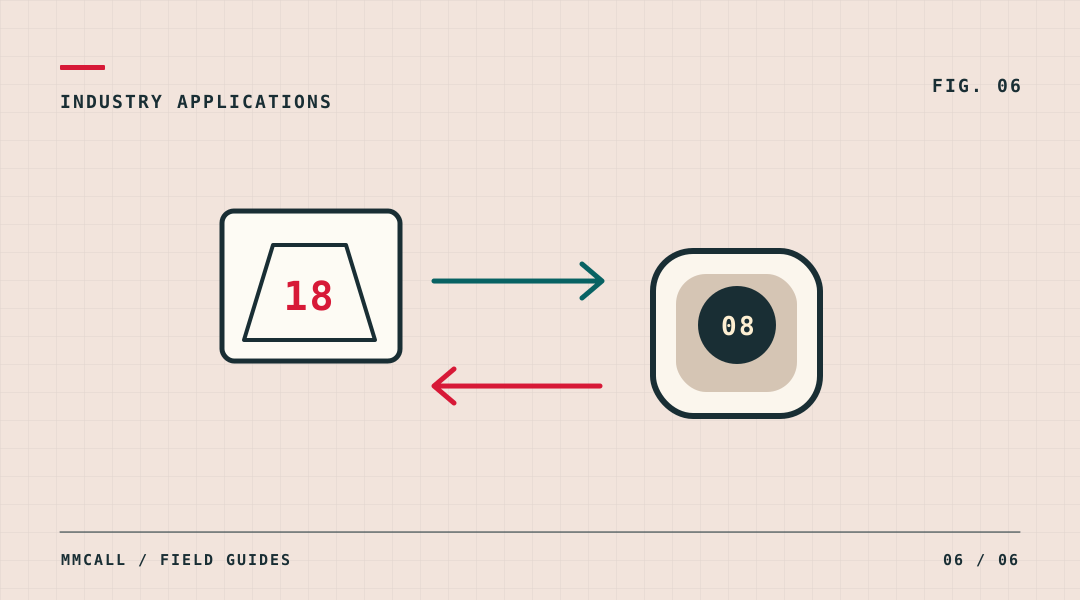
Stand at a workstation and ask the operator to describe the last time work stopped for a missing part. Who did they call? What did that person need to know before leaving their own area? An Andon request that just says “Line B” might bring the supervisor over, only for the supervisor to call the materials team. A named request can avoid that extra trip.
Write one realistic example before selecting the hardware: “B03 needs a tray of parts; materials runner covers Line B; supervisor takes over during the runner's break.” Repeat for maintenance or quality only if the site can identify a responsible team.
Choose buttons after assigning jobs
A single call button works when every call from a station means the same thing. Multiple labelled keys make sense when the request changes who should attend or what they should bring. Use the words operators already use. Put a paper layout at the workstation and have an operator point to the right key for a few real scenarios before ordering labels.
- Define the request, the station label and the first recipient together.
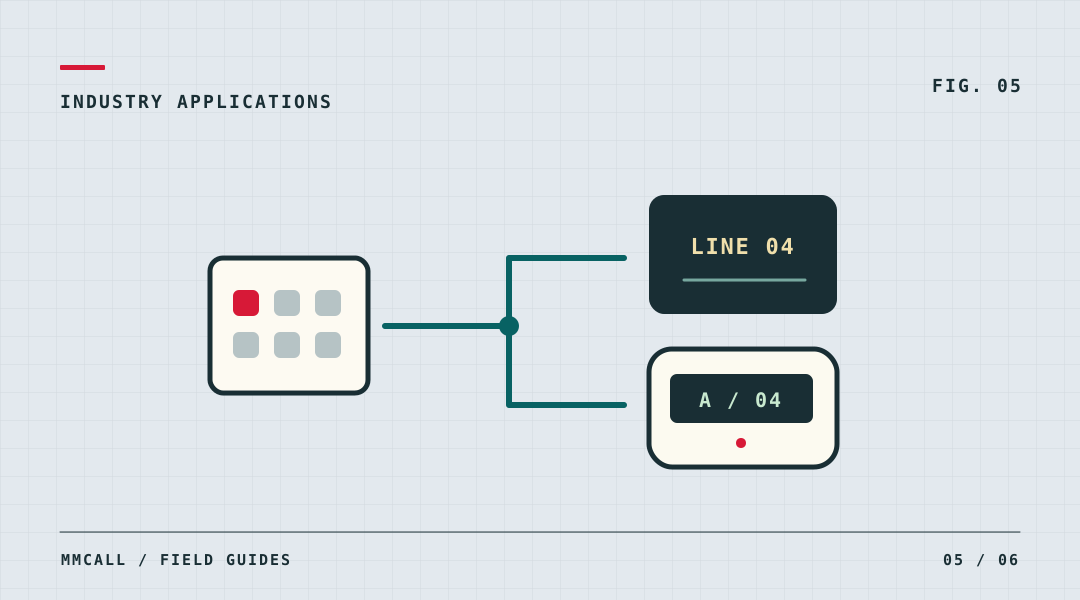
- Choose how that person will notice the call: for example, a compatible display in view or a pager carried on the route.
- Decide how the team handles an absent owner. Confirm any automatic routing or escalation capability for the proposed configuration.
Separate calling, acknowledging and finishing
Receiving a call does not mean that parts have arrived or the machine is running again. Agree on what the site counts as acknowledgment and completion, and whether either requires a manual step. For example, an assigned person can acknowledge by the site's existing method, then the operator can confirm that the delivery actually reached B03. If reporting is required, establish which events the proposed equipment and software can record.
Run a short pilot spanning a break or shift change. Ask two nearby stations to call close together. Watch whether the responder can distinguish the requests, whether both have an owner and how a duplicate request would be handled.
Turn the pilot into a rollout sheet
Give each line a one-page map of station IDs, button labels, normal recipients and backup coverage. Record ambiguous labels or requests the team could not close. Fix those decisions on the pilot line before copying its layout to another line. The same devices can support a different workflow elsewhere; the site should approve the local responsibilities.