Plan a Wireless Call System Installation Before Mounting the First Unit
A field checklist for device names, mounting positions, trial calls and the records to hand over.
Walk the site with the people who answer
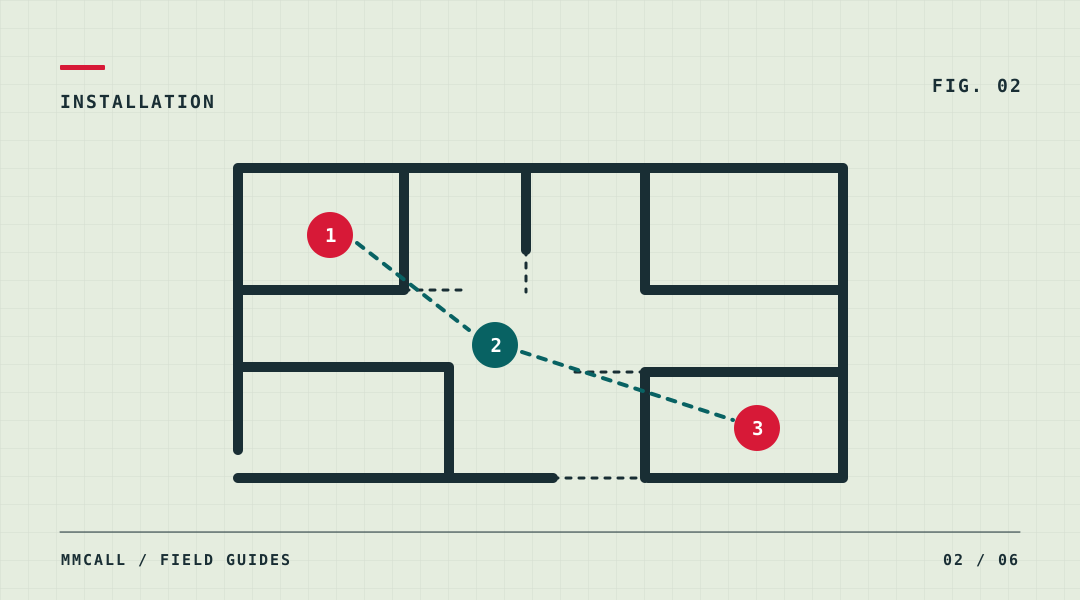
Print a floor plan, give each proposed call point a temporary identifier and take it on a walk with the shift supervisor. Mark where a person will stand or sit to make a call, where receivers will be carried or viewed, and who covers the area during a break. A neat plan can hide a display behind a door or put a pager charger in a locked office.
Ask the site owner to approve proposed positions and mounting methods. Check power and network needs against the exact equipment list. A wireless signal does not remove the need for power or any network connection required by a particular model.
Assign names before pairing equipment
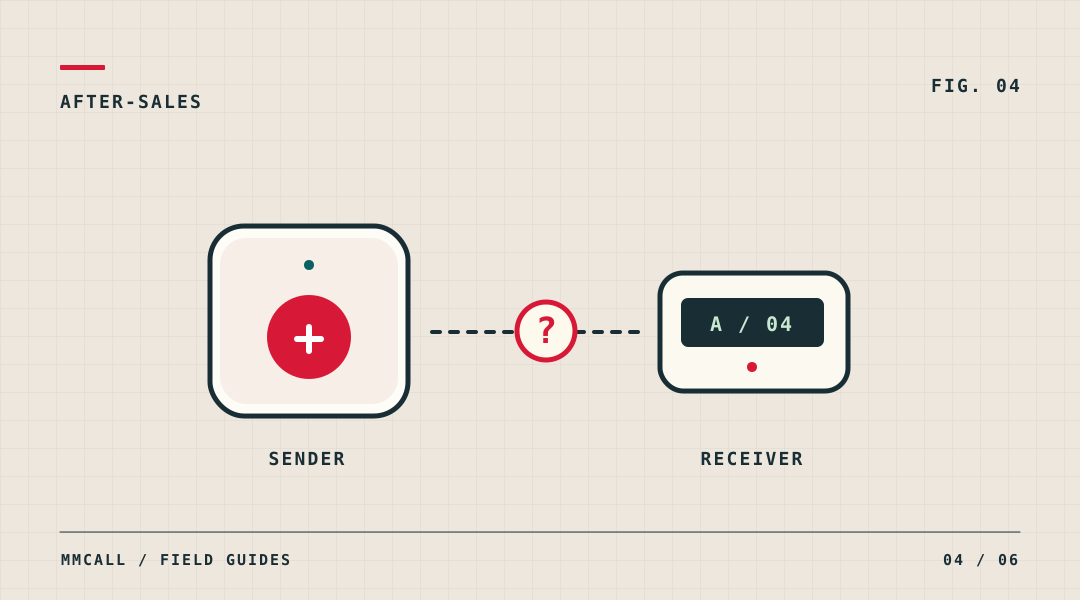
Use labels that mean the same thing to the installer and the person receiving the call. For example, “Line B / Station 03” is more useful than the third transmitter's serial number. Keep the serial or device identifier in a separate column so that a replacement can inherit the correct operational name.
- Build a register: site label, device ID, physical position, intended receiver or group, and expected display text.
- Keep a copy of the approved labels with the person setting up the receivers. Check similar names such as A-01 and A-10 aloud.
- Follow the model's pairing instructions and make a trial call from each unit before distributing the equipment.
Test temporary positions before fastening
Place one unit at the proposed mounting position and orientation, route the request to the intended recipient and confirm the actual text or indication. If staff carry a pager, test it on a person following their usual route. Correct the location or configuration while the equipment is still easy to move, then repeat the test after final mounting.
Choose a time when the site can distinguish test traffic from real requests. Coordinate the trial with the operator and keep their existing contact arrangements available until they accept the installation.
Hand over what the next shift needs
Demonstrate one normal request and one case where the usual recipient is unavailable. Let a member of staff perform the steps, then ask them to explain which indication means that help has been requested and which, if any, confirms that somebody answered. Give the operator the final location register, test results, relevant model instructions and a contact for unresolved items. Record an owner and retest date for every exception.